One Building, Three Workforces: How Data Center Employers Should Sort Facilities, Commissioning, and IT Roles

Data center employers hire better when they separate facilities, commissioning, and IT work by equipment, authority, and project stage.
Practical guides for employers building mission-critical teams and skilled professionals considering data center construction careers.
Data center employers hire better when they separate facilities, commissioning, and IT work by equipment, authority, and project stage.

Data center teams hire better when they separate plant-room work, controls work, and IT work. That boundary shapes safety, training, and career paths.

Data center hiring works better when employers separate build, commissioning, operations, and IT work before writing the job description.

Data center hiring works best when employers match roles to local training, apprenticeship, and commuting realities instead of chasing generic technical experience.

Written handoffs are a technical control in data centers, helping teams manage safety, continuity, and faster recovery across shifts and project stages.

Data center employers gain more from structured apprenticeship than one-off hiring because the work depends on safety, documentation, and progressive skill-building.

Data center onboarding works best when teams teach ownership boundaries, handoffs, and documentation before speed or tools.

Data center certificates are job maps, not diplomas: they reveal which facilities, controls, or IT tasks a candidate can actually do.

Data center roles change by phase. Hiring works better when employers separate build, commissioning, and operations work before writing the posting.

Data center hiring works best when employers screen for mentor readiness, documentation discipline, and role boundaries, not just broad technical experience.
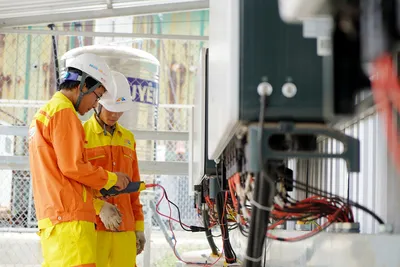
Data center employers get better hires when they separate build, commissioning, operations, and IT roles instead of using one generic technician posting.

Data center hires go wrong when employers blur construction, facilities, and IT boundaries. The fix is clearer role scope, authorization, and training.