Why Data Center Night Coverage Needs Its Own Hiring Plan

Data center night coverage is a workforce strategy, not a calendar detail. Here’s how shift design, fatigue risk and role fit shape hiring and retention.
Practical guides for employers building mission-critical teams and skilled professionals considering data center construction careers.
Data center night coverage is a workforce strategy, not a calendar detail. Here’s how shift design, fatigue risk and role fit shape hiring and retention.
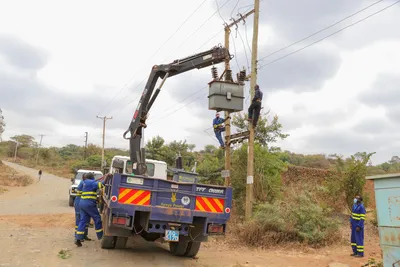
Data center pay depends on role family, schedule, travel, and project stage. Compare offers by work boundary, training path, and site rules, not just base wage.
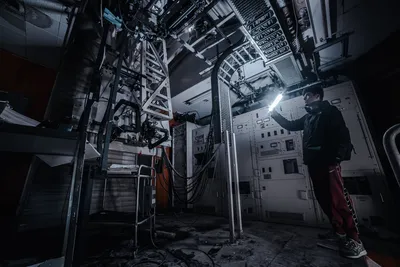
Data center retention improves when employers show a real skill ladder, assign mentors, and separate facilities work from IT roles.
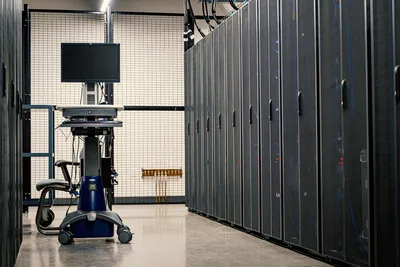
Data center careers often open through stacked credentials—safety, maintenance, controls, and apprenticeship—rather than one degree or broad title.
In U.S. data centers, handoffs, documentation, and mentoring are real work. Treating knowledge transfer as a scheduled duty improves safety, continuity, and retention.

Apprenticeship works well in data centers because the work is layered, mentored, and stage-specific. Employers and applicants both benefit from clearer training pathways.

In data centers, schedule design is a workforce strategy. Shift handoffs, mentoring, and on-call coverage shape safety, retention, and who can really do the job.
Apprenticeship fits data center work because the job mixes documentation, safety, controls, and cross-discipline learning. Employers and applicants both gain from a clearer path.

Data centers need maintenance hires who can read controls, document repairs, and work across power and cooling without blurring IT and facilities roles.

Data centers need separate staffing plans for facilities and IT support because each works different systems, hours, and training paths.

Data center staffing is local, not abstract: housing costs, commute time, and training pipelines shape who applies, accepts, and stays.

In data center hiring, the best signal is written judgment: logs, handoffs, escalation, and safe work boundaries—not just hands-on experience.