Why Data Center Hiring Works Better as a Skills Ladder

Data center hiring works best as a skills ladder: safety, power, controls, and mentoring. Training programs and apprenticeships show how to enter and grow in the field.
Practical guides for employers building mission-critical teams and skilled professionals considering data center construction careers.
Data center hiring works best as a skills ladder: safety, power, controls, and mentoring. Training programs and apprenticeships show how to enter and grow in the field.

Data center careers work best as a skill stack: safety, physical systems, controls, and IT depth. That helps employers hire better and workers plan a path.
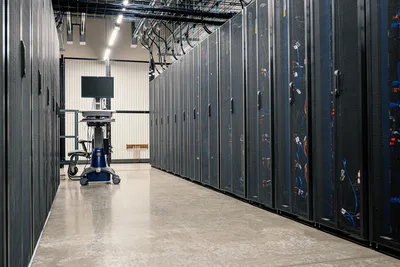
Data center employers hire better when they split facilities, commissioning, and IT work into separate ladders with clear training and pay progression.

Data center hiring works better when employers match the role to the work stage, system type, and training path instead of using broad titles.

A data center hire means different work at build, commissioning, and operations stages. Clear stage-based staffing improves safety, training, and retention.

Data center hiring works best when employers separate construction, commissioning, and operations. Stage, authority, and documentation matter more than generic titles.

In data centers, documentation is a core skill. It improves safety, handoffs, mentoring, and retention across shifts, contractors, and live systems.
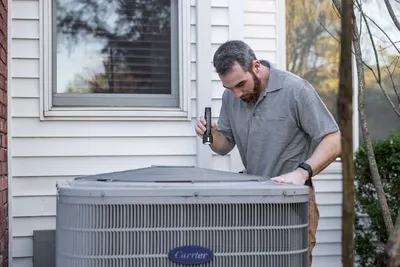
Data center teams run better when workers know when to stop, document, and escalate. That habit improves safety, handoffs, hiring, and retention across facilities and IT roles.
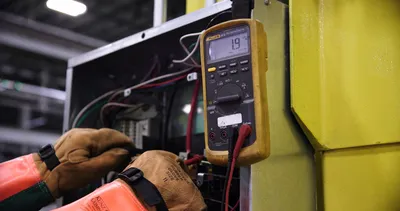
A data center job title means little unless you know what the worker may touch, change, and sign off on. Role boundaries, safety, and training drive better hiring.

Data center hiring works best when employers screen for exact work boundaries, not broad technical labels, and applicants show the systems they are authorized to touch.

Strong onboarding in data centers teaches authority, handoffs, and safety before speed—especially when work spans construction, commissioning, and operations.

Data center hiring improves when employers test handoffs, documentation, and authorization boundaries—not just titles or tools.