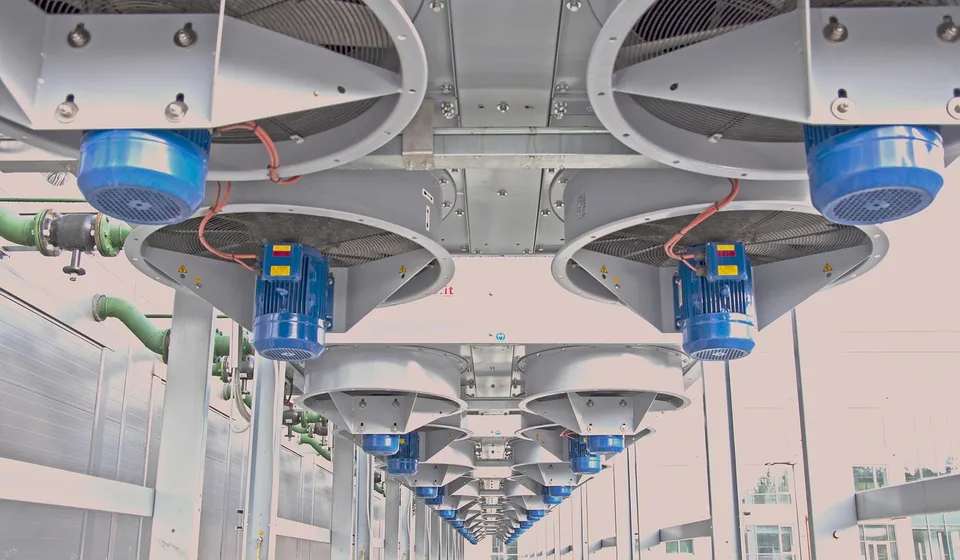
A data center hire can look similar on paper and still be completely wrong for the stage of the project. The person who is right for construction fit-out may be wrong for live operations, and the technician who thrives in steady-state maintenance may not be ready for commissioning. That is why the most useful staffing question is not just “Who have we hired?” but “Who owns the work right now?” OSHA’s energy-control rules make that stage difference real: servicing and maintenance are treated differently from construction, and the hazards change with the setting.
Build stage: the contractor owns the work package
During construction and fit-out, the site is still being assembled. Crews are installing electrical gear, pulling cable, setting mechanical equipment, and sequencing tasks so that one trade does not block another. That work is project-driven, not operations-driven. The Holder Construction data-center agreement is a good example of what that looks like in practice: daily and weekly safety toolbox talks, third-party crane inspection, critical-lift planning, and injury-and-illness tracking were all part of the labor framework. Those are construction controls, not everyday operating-rules.
This is where employers need to be precise about titles. A construction electrician, a rigger, a mechanical installer, and a commissioning-support technician may all be on the same campus, but they are not doing the same job. Their authority, access, and safety boundaries are different. If the job posting does not say whether it is for build, fit-out, or startup, applicants will guess — and employers will get mismatched resumes.
Commissioning and turnover: prove the system before you hand it over
Commissioning is the bridge between construction and operations. The work is less about installing new hardware and more about proving that the system works the way the owner expects. That means testing, documenting results, correcting defects, and handing over clean records. In the source set, the most consistent theme is not a single commissioning manual but a repeatable handoff pattern: document what was tested, preserve the repair history, and make sure the next team understands the condition of the asset.
This is also where training becomes part of the deliverable. Apprenticeship.gov describes registered apprenticeship as paid work experience with a mentor, classroom instruction, and progressive wage increases. That model fits commissioning and turnover well because the worker is learning the site while doing controlled work, not being thrown into a live environment without structure.
For employers, the practical lesson is simple: commissioning personnel need to be selected for documentation discipline, testing habits, and escalation judgment, not only for general mechanical or electrical experience. For applicants, the useful way to describe yourself is by the stage you have worked in — startup, test, punch-list, turnover, or operations — rather than by a broad title alone.
Operations: the owner of the live site
Once a data center is live, the responsibility shifts to the operating employer. The job becomes routine in one sense and more unforgiving in another. Teams manage preventive maintenance, incident response, change control, vendor coordination, and training records. OSHA’s lockout/tagout standard requires employers to establish procedures that prevent unexpected energization or release of stored energy, which is exactly why live-site work has to be controlled so carefully.
That operating environment also has its own labor profile. BLS reports that in the data-processing, hosting, and related-services subsector, average hourly earnings were $59.68 for all employees in May 2026, and average weekly hours were 38.2. That does not describe every specific role, but it does show that this is a full-time, technical operating workforce rather than a casual labor environment.
The operating site also depends on cross-functional handoffs. O*NET task profiles in the research report show that data-center-relevant workers document activities, record repairs, maintain contingency plans, coordinate installation, and confer with coworkers. That matters because the next person on shift should not have to rediscover the same issue from scratch. Knowledge transfer is part of the job, not an afterthought.
What to put in a job description — and what to leave out
A good data center job description should name three things clearly:
- the project stage: build, commissioning, turnover, or operations;
- the system boundary: power, cooling, controls, logistics, or IT-facing support;
- the authority boundary: what the worker can touch, test, isolate, or escalate.
That level of clarity helps employers screen for the right work history and helps applicants self-select honestly. It also prevents a common mistake: treating construction electricians, commissioning personnel, and operating technicians as interchangeable because all three work “in a data center.” They do not.
The education pipelines in the report reinforce that point. Mesa Community College’s Data Center Operations certificate is built around industrial safety, maintenance operations, mechanical power transmission, PLC programming, and power distribution. Germanna Community College’s AWS-linked pre-apprenticeship focuses on electrical, HVAC, mechanical, and data center operations. Those are stage-aware training paths, not generic technical labels.
The best next step
If you are hiring, start by naming the stage and the work package before you write the requisition. If you are applying, describe the stage you know best and the systems you can safely support.
For employers, review the employers page. For applicants, review the job seekers page. If you want to talk through a role or project stage, you can also call 218-WorkNow or email the office.