Why a data center offer is never just one number
One of the easiest mistakes in data center hiring is treating pay like a single market number. In the operating subsector that BLS tracks for data processing, hosting, and related services, average hourly earnings were $59.68 for all employees in May 2026 and $50.01 for production and nonsupervisory employees, with weekly hours of 38.2 and 37.5. Those are useful benchmarks, but they are not a complete pay story, because the same site can include facilities technicians, IT support staff, systems analysts, contractor crews, and traveling service workers with very different schedules and wage logic.
That is why the real question is not, What does a data center job pay? The better question is, Which work are you actually being paid to own, and for how long? BLS industry counts describe operating establishments, but they do not capture every contractor, builder, commissioning crew, or short-duration service team on a site. A large project can temporarily employ many electricians, HVAC installers, riggers, controls specialists, and safety staff without turning all of them into permanent employees of the owner or colocation operator. Construction labor, turnover work, and steady-state operations are paid and managed differently, so one headline wage cannot explain the whole labor market.
The job title is less important than the work boundary
On the floor, the work splits by task family. HVAC mechanics install and repair cooling hardware; industrial machinery mechanics repair and maintain pumps, motors, and other plant assets; electrical and electronic technologists work on controls and circuitry; network architects design networks; and information security analysts monitor digital protections. Those are adjacent jobs, but they are not interchangeable. A candidate with strong commercial HVAC experience may be a good fit for a plant-room role, but that does not automatically make the person ready to work on energized electrical systems, advanced controls, or network hardware. A good offer should say whether the role belongs to facilities, controls, or IT support, because each one uses a different skill stack and a different path to progression.
That distinction matters for compensation, too. A broad title like technician can hide very different pay logic. One seat may reward mechanical troubleshooting and documentation. Another may pay for control-system familiarity and commissioning support. Another may be an IT-facing role that requires different analytical skills and a different compensation band. If the employer does not describe the work boundary, the applicant cannot tell whether the number reflects routine maintenance, project work, or higher-responsibility systems support.
Training changes the pay conversation
That is where apprenticeship and pre-apprenticeship matter. Apprenticeship.gov describes registered apprenticeship as paid work experience with a mentor, classroom instruction, and progressive wage increases. It is not a vague promise of training after hire; it is a structured employment arrangement with an identified occupation and training plan. For applicants without a long operating-facility résumé, that structure can convert entry-level potential into verified experience, while giving employers a way to tie wage growth to documented skill milestones instead of guesswork.
The education pipeline shows the same pattern. Mesa Community College’s Data Center Operations certificate is built for mechanical, electrical, and controls technician preparation and includes industrial safety, motors, PLCs, power distribution, and data-center operations. Germanna Community College’s AWS-linked pre-apprenticeship is a four-week hands-on program focused on electrical, HVAC, mechanical, and data center operations. Those programs make one thing clear: the entry path is not just have a technical background, but have the right combination of power, cooling, controls, and operational discipline for the stage of work you will own.
Why schedule and travel belong in the pay math
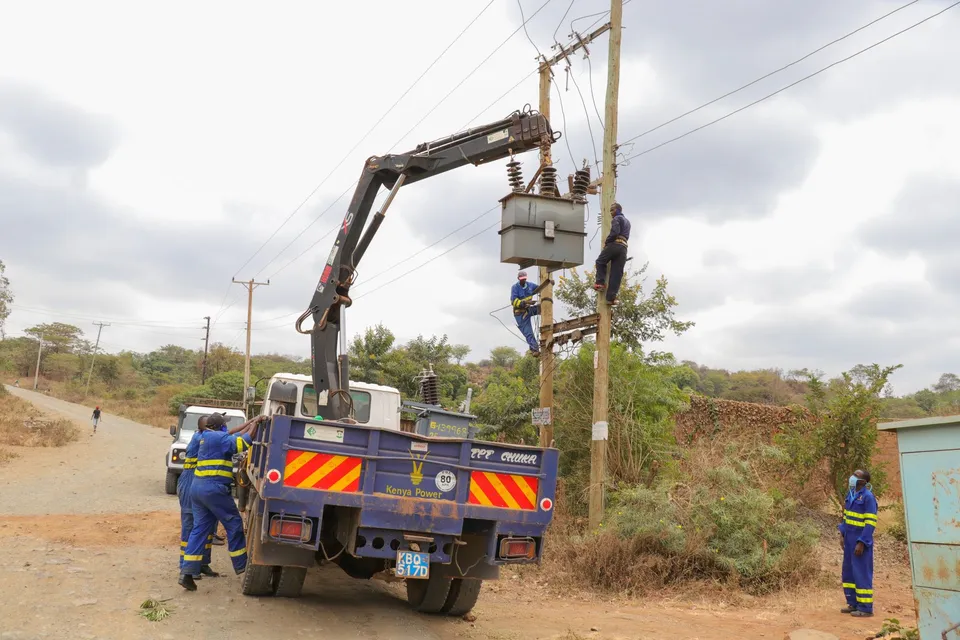
Pay is also shaped by where and when the work happens. O*NET notes that electrical power-line installers and repairers travel to work sites, which is a reminder that some data-center-adjacent jobs are field-based rather than anchored to one building. In those roles, compensation may need to include travel time, callouts, mileage, or per diem if the work is tied to outside sites, utility work, or rotating project locations. At the same time, the federal sources reviewed here do not publish a universal data-center shift differential or per-diem schedule, so those items have to be verified in site policy, a collective bargaining agreement, or a specific posting.
The full-time average hours reported by BLS do help frame the issue. They suggest that hosting establishments are not casual-labor environments. But they do not tell you whether the role is nights, weekends, on-call, or road-heavy. In practice, a maintenance tech in an operating facility may face a different rhythm from a commissioning team member on a project, and both differ from a network or security role with less physical plant responsibility. If the offer does not spell out those differences, the wage comparison is incomplete.
Project stage changes the value of the seat
Project stage matters because the same building can demand different labor at different times. OSHA materials in the source set show why: lockout/tagout governs servicing and maintenance, electrical standards cover energized systems, and fall-protection rules apply to construction and retrofit work. The Holder Construction project agreement also shows daily and weekly safety toolbox talks, third-party crane inspection, critical-lift planning, and injury-and-illness tracking. That is a construction employment story, not an operations staffing story. A project electrician, a commissioning specialist, and a steady-state operations technician are all working on the same facility, but they are not doing the same job and should not be evaluated as if they were.
That is also why employers should be careful with one-size-fits-all wage bands. A site in startup or turnover may need more documentation discipline, more coordinated handoffs, and more supervision than a stable operating site. If the job is part of a project stage, the offer should say so. If the job is inside the operating team, the offer should say what live-work authorization, documentation habits, and escalation boundaries are expected.
A practical way to compare offers
Use the offer to answer five questions before you compare the number on the first line:
- Is this a facilities role, a controls role, an IT support role, or a project role?
- Is the work tied to one site, or does it include travel between sites?
- Does the schedule include nights, weekends, on-call time, or rotating coverage?
- Is wage growth tied to an apprenticeship or another structured training path?
- Are overtime, travel, per diem, and shift premiums listed separately from base pay?
Those questions turn a vague salary into a real employment picture. They also help employers write clearer postings, because applicants can then see whether the role is meant for a beginner, a mentored apprentice, or an experienced worker who can operate with less supervision.
The clearest compensation message for the sector
In data centers, pay conversations go wrong when they ignore role family, schedule, travel, and project stage. The best offer is not always the highest hourly number on paper; it is the one that matches the actual work, the training path, and the site rules. For employers, that means separating facilities, controls, and IT duties instead of lumping them into one title. For applicants, it means asking what the job owns before asking what it pays. If you want to make a smarter comparison, start with the work boundary, then look at the wage.
A useful next step is simple: when you review a posting or a requisition, ask whether the seat is in operations, commissioning, or project work, and whether training or travel changes the pay package. That one clarification can prevent a lot of confusion later.