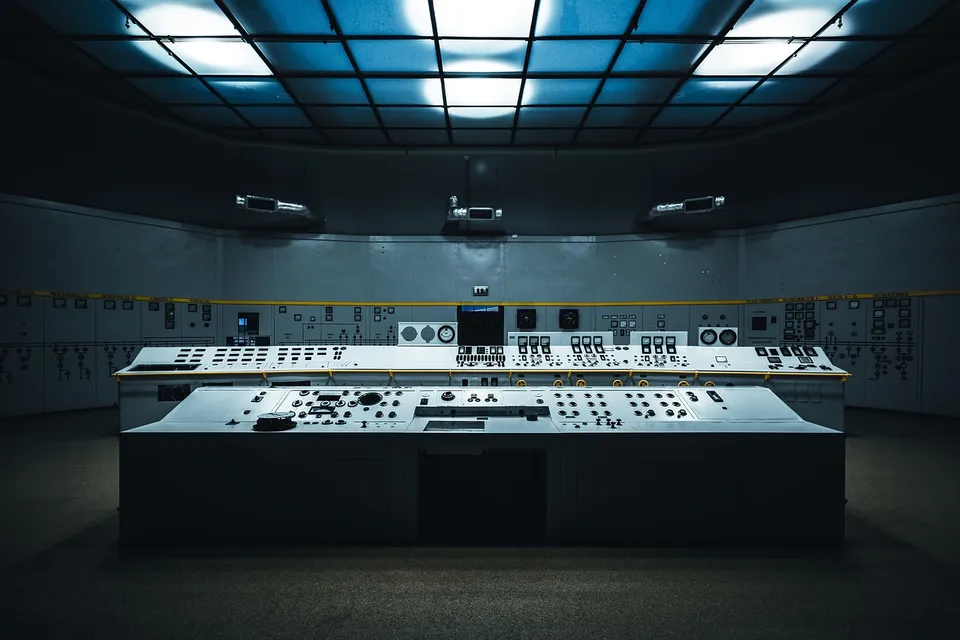
In data center hiring, the word “technician” is often too vague to be useful. A single site may need a facilities worker who keeps chillers, pumps, or switchgear within spec, a controls technician who works on PLCs, sensors, and test procedures, and an IT specialist who designs or secures the network. The federal industry data already reflect that mix: BLS says the data-processing, hosting, and related-services subsector had 56,613 private establishments in fourth quarter 2025, average hourly earnings of $59.68 in May 2026, and a 2025 occupation mix that included computer support specialists, systems analysts, and programmers. That is not one job family; it is an operating stack.
The three buckets a data center job title should name
A better hiring plan starts by naming the bucket before it names the title.
| Bucket | What the work actually centers on | What it is not |
|---|---|---|
| Facilities | HVAC, mechanical systems, plant equipment, electrical distribution, maintenance records | Not software support or cyber defense |
| Controls | PLCs, sensors, panels, troubleshooting, testing, commissioning support | Not pure design engineering or routine wrench work |
| IT | Network design, capacity planning, logical systems, security monitoring | Not chillers, pumps, or switchgear |
O*NET makes those boundaries plain. Electrical and Electronic Engineering Technologists and Technicians apply electrical and electronic theory, usually under engineering direction, to design, build, repair, adjust, and modify controls and machinery. Computer Network Architects design and implement networks and model capacity needs, while Information Security Analysts monitor security and respond to threats. Those are adjacent jobs, but they are not the same job.
That distinction matters because a resume line like “technical background” can hide a lot. A candidate with commercial HVAC experience may be a good fit for plant-room maintenance, but that does not automatically mean the person is ready to work on energized systems, advanced controls, or network hardware. Likewise, a strong server-room support worker may be a fine fit for IT-facing tasks without being ready for facilities maintenance. Title matching alone can blur those differences and create bad placements.
Why the bucket matters during hiring and onboarding
The work changes by project stage, and the employer has to know which stage it is hiring for. During construction and fit-out, contractor crews install systems and work under project safety plans. During startup and commissioning, the job shifts toward proving readiness, documenting results, and handing responsibility forward. During steady-state operations, the operator owns preventive maintenance, incident response, and the training record. OSHA’s lockout/tagout standard reinforces that point by requiring energy-control procedures in general industry, while construction work falls under different rule structure. In other words, onboarding for a build crew is not the same as onboarding for an operating team.
That is why the most useful interview questions are specific:
- Which equipment category have you actually worked on?
- Did you own the work package, or support it?
- What did you document after the job?
- When did you stop and escalate?
- What authority did you have around live equipment?
Those questions are not HR theater. The task lists in the federal sources repeatedly emphasize documenting repairs, recording activities, maintaining contingency plans, and coordinating with coworkers. In a data center, that is how handoffs prevent repeat mistakes and how one shift keeps from creating work for the next.
Training is already organized around these lanes
The clearest sign that the industry has separate lanes is the training pipeline. Registered apprenticeship is not a vague promise; Apprenticeship.gov describes it as paid work experience with a mentor, progressive wage increases, classroom instruction, and a specific occupation and training plan. That structure fits a sector where skill must be verified before a worker is allowed into live areas.
The school-side programs point the same way. Mesa Community College’s Data Center Operations certificate is built for entry-level mechanical, electrical, and controls technicians and includes industrial safety, maintenance operations, mechanical power transmission, data center operations, AC/DC components and circuits, PLC programming and troubleshooting, industrial motors, and power distribution systems. Germanna’s pre-apprenticeship focuses on electrical, HVAC, mechanical, and data center operations. Ohio University’s DCOT program introduces the technology, terminology, and operation of information networks and data centers. Those are not interchangeable curricula; they are different on-ramps into different parts of the same facility.
That is also why the best employers do not ask applicants to be “good with technology” and stop there. They ask what kind of technology, what kind of equipment, and what kind of authority the person has actually used. A controls candidate may need PLC troubleshooting and documentation discipline. A facilities candidate may need maintenance history, plant-room experience, and comfort with procedures. An IT candidate may need network design, capacity thinking, or security monitoring. The hiring line is useful because it turns a broad labor pool into a clean staffing plan.
The practical payoff for employers and applicants
For employers, separating facilities, controls, and IT does three things. It sharpens the job posting, it speeds the screen, and it makes onboarding safer. It also keeps compensation conversations honest, because a support role, a controls role, and a network role do not carry the same scope or risk. For applicants, the same boundary helps you read the posting correctly. If your background is industrial maintenance, you can look for facilities or controls openings first. If your background is network support or systems analysis, the IT lane may be the better fit. If you are earlier in your career, apprenticeship or a targeted certificate can be a more direct bridge than a generic technical program.
The useful next step is simple: map each opening to one bucket before you hire or apply. If you are hiring, start with the employer resources. If you are job hunting, compare your background to the job seeker resources.