A data center employer may advertise one site, but the workforce is not one job family. The Bureau of Labor Statistics’ data-processing, hosting, and related services subsector reported 56,613 private establishments in fourth quarter 2025, with average hourly earnings of $59.68 in May 2026; inside that same industry, BLS still counted separate occupation groups such as 24,940 computer support specialists, 14,540 computer systems analysts, and 2,630 computer programmers. That mix is the first clue that a data center building is one business, but the people who keep it running are not interchangeable.
The first hiring lane: facilities
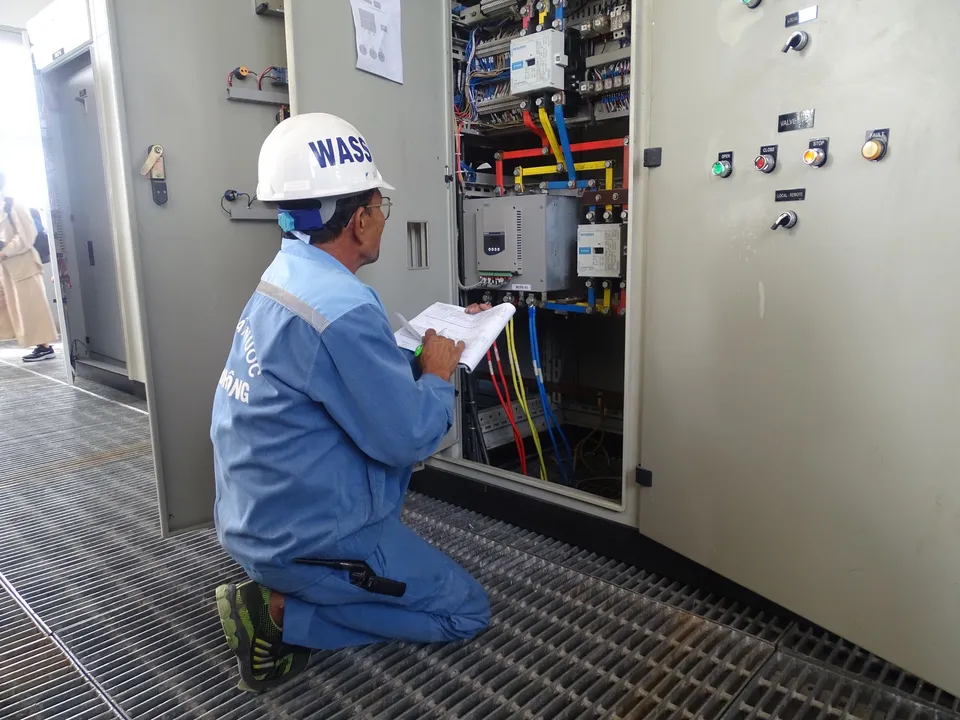
Facilities work is about the physical plant: power, cooling, pumps, switchgear, environmental controls, inspections, and preventive maintenance. The occupational evidence in the research report keeps that lane separate from office IT. O*NET descriptions for roles such as HVAC mechanics, industrial machinery mechanics, and power-line installers focus on installing, maintaining, testing, recording repairs, and working with the equipment that actually moves energy and air through the facility. That is a very different job from supporting laptops, servers, or security software.
For employers, the practical lesson is simple: do not write a single “technician” posting and hope the right person self-selects. A facilities candidate needs to understand live-site procedures, documentation, and the boundary between what can be done during operation versus what belongs in a shutdown window. The report’s OSHA discussion reinforces that point by tying servicing work to lockout/tagout, hazardous-energy control, and other safety obligations that must be taught and documented before a person works in live areas.
The second hiring lane: controls and commissioning support
Controls sits between engineering and maintenance. It is the lane for programmable logic controllers, sensors, panels, building-management systems, and the troubleshooting that happens when a system behaves correctly on paper but not in the room. O*NET’s Electrical and Electronic Engineering Technologists and Technicians are described as workers who apply electrical and electronic theory, usually under engineering direction, to design, build, repair, adjust, and modify electrical components, circuitry, controls, and machinery. In a data center, that makes them closer to controls and commissioning support than to general office IT.
That distinction matters because a controls hire is not just a stronger electrician and not just a junior engineer. The job is often about translating between the equipment, the testing plan, and the operating team so that the site can prove readiness and then hand the system over cleanly. The research report repeatedly emphasizes documentation, contingency plans, work logs, and handoffs as core work activities, which is exactly what makes controls talent valuable in a critical facility.
The third hiring lane: IT, network, and security
The IT side is real, but it is not the same as facilities. O*NET’s Computer Network Architects design and implement LANs, WANs, intranets, extranets, and other data communications networks, while Information Security Analysts monitor security measures and respond to breaches or viruses. Those are logical systems jobs. They may live in the same building as facilities technicians, but they are answering different questions: How does traffic move? How do we secure it? How do we recover from an incident? They are not asking how to restore chilled water flow or verify a generator transfer sequence.
This is where data center hiring often goes wrong. A candidate with server-room support experience may be excellent for hardware support or cabling, but that does not automatically make the person ready for controls work or network design. Likewise, a strong network analyst is not automatically a facilities technician. The source set supports that separation rather than collapsing it into one broad title.
Why employers should separate the lanes before they post
The strongest reason to split the hiring plan is that the training pipeline is already split. Mesa Community College’s Data Center Operations certificate is a 22-credit program built for mechanical, electrical, and controls technician preparation, and its coursework includes industrial safety, maintenance operations, mechanical power transmission, DC and AC components, PLC programming, industrial motors, and power distribution. That is not a generic tech curriculum; it is a deliberate facilities-and-controls pathway.
Germanna Community College’s AWS-linked pre-apprenticeship points in the same direction. The program is a four-week hands-on introduction focused on electrical, HVAC, mechanical, and data center operations skills. In other words, employers and educators are already bundling the work around separate skill clusters, not around one broad “data center employee” label.
That matters for selection, too. Apprenticeship.gov describes registered apprenticeship as paid work experience with a mentor, progressive wage increases, and classroom instruction. For employers, that is a structured way to build facilities or controls talent without pretending the learner should arrive fully formed. For applicants, it is a reminder that progression in this field is often deliberate: start with safety, documentation, and basic equipment knowledge, then add specialization.
A better way to write the requisition
If you are hiring, divide the role before you divide the résumé stack:
- Facilities: power, cooling, maintenance, inspections, and site response.
- Controls/commissioning: PLCs, sensors, testing, troubleshooting, and handoff support.
- IT/network/security: hardware, network architecture, and information protection.
That structure helps you screen for the right experience, pay band, and training path. It also keeps you from overvaluing a single familiar title when the real requirement is task fit. The research report’s central point is that documentation, mentorship, and careful role boundaries are not optional extras in data center work; they are how the building stays safe and operational.
One modest next step: if you are hiring, rewrite one open requisition around the actual lane you need; if you are job hunting, map your background to the right lane before you apply. The employer and job-seeker resources on datacenterstaffingusa.com/employers.html and datacenterstaffingusa.com/job-seekers.html are a practical place to start.