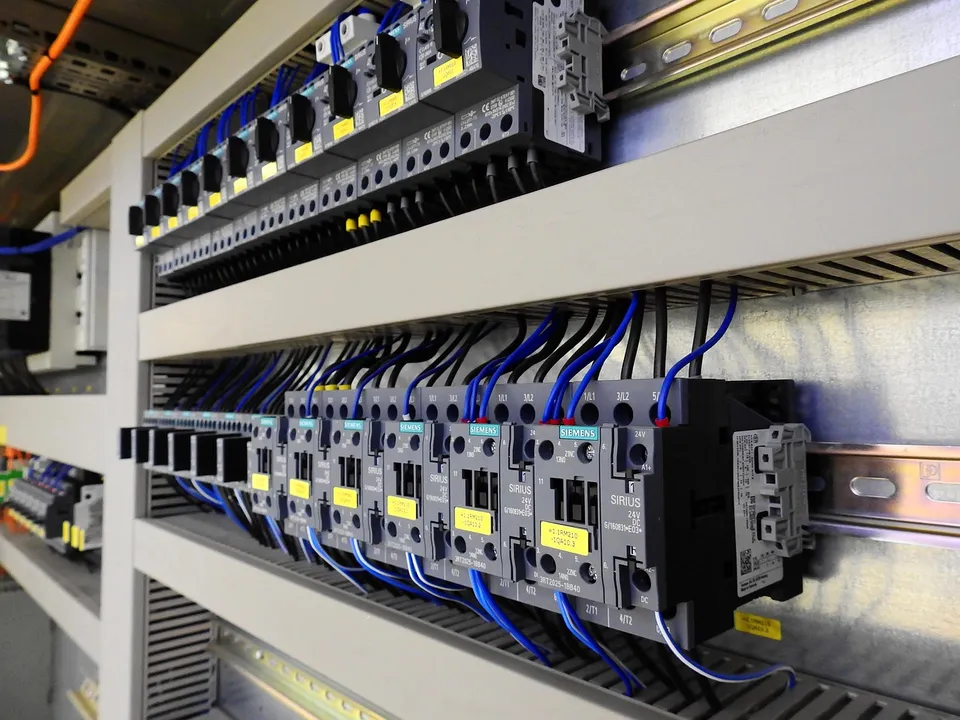
A data center resume can look strong on paper and still miss the real question: what kind of work is the person actually prepared to do on day one? In U.S. data centers, the answer is often hidden in the training path. A four-week AWS-linked pre-apprenticeship at Germanna Community College, a 22-credit Data Center Operations certificate at Mesa Community College, and a registered apprenticeship all point toward the same industry, but they prepare workers for different levels of independence, pay progression, and responsibility. The distinction matters because data center work is not one job family; it mixes facilities, controls, project coordination, and IT-adjacent duties rather than collapsing them into a single generic technical role.
Three paths, three different promises
A pre-apprenticeship is usually the shortest on-ramp. Germanna describes its program as a four-week, hands-on introduction to electrical, HVAC, mechanical, and data center operations. That is not a full occupational credential, and it should not be treated like one. Its value is earlier stage: it gives employers a clearer signal that the candidate has seen the vocabulary, safety culture, and broad equipment families before entering a live site. For applicants, it can be the cleanest way to test whether the work actually fits before committing to a longer program.
A college certificate sits in the middle. Mesa Community College’s Data Center Operations certificate is explicitly built for mechanical, electrical, and controls technician preparation, and its required courses include industrial safety, maintenance operations, mechanical power transmission systems, DC and AC components and circuits, PLC programming and troubleshooting, industrial motors and motor control, and power distribution systems. That course sequence says something very specific: the student is not merely learning computer concepts. The student is being trained to work around the physical plant that keeps a site running. For employers, that is a much stronger signal than a résumé line that says only ‘technical certificate.’
Registered apprenticeship is the most complete work-based path in the set. Apprenticeship.gov says registered apprenticeship combines paid work experience, a mentor, classroom instruction, progressive wage increases, and a portable credential. That structure matters because it ties compensation to verified skill growth instead of to vague hope or tenure. For employers, apprenticeship can be a retention tool because people see a next step. For applicants, it can be the best route if they want to earn while they learn and move toward a recognized occupation rather than stacking short courses without a workplace home.
What employers should screen for
The practical mistake is to treat all three pathways as interchangeable signals. They are not. A pre-apprenticeship shows exposure and readiness to learn. A certificate shows structured coursework and basic technical breadth. An apprenticeship shows a worker has been selected for progressive on-the-job development inside a defined occupation. That is why screening should ask a more useful question than ‘Do you have experience?’: what kind of site conditions, supervision level, and task autonomy is this person ready for now?
O*NET’s task language reinforces the point. Relevant occupations repeatedly include documenting activities, recording repairs, training others, assigning duties or work schedules, maintaining contingency plans, and coordinating installation. In other words, the better candidate is not just the person who has touched equipment before. It is the person who can work inside a documented handoff process, follow boundaries, and preserve the next shift’s ability to act. That is especially important in data centers, where one person’s careless shortcut can create work for several other teams.
This is also where the facilities-versus-IT distinction matters. A technician who understands chillers, power distribution, PLCs, and motors may be a strong fit for physical infrastructure work, but that does not make the person ready for network architecture or information security. Conversely, IT support experience does not automatically translate to safe work around energized equipment, stored energy, or mechanical systems. The best hiring decision is the one that matches the candidate to the real work package, not to a broad label like ‘technician.’
What applicants should choose
If you are early in your career, a pre-apprenticeship can be the smartest first step when you want exposure without overcommitting. It is short, practical, and useful for testing whether you want industrial work, shift work, or a live-facility environment.
If you want clearer technical depth, a certificate is often the better option. Programs like Mesa’s are more specific about what you will study and can help you show employers that you have covered safety, controls, power, and maintenance basics rather than only general shop skills.
If you want to build a long-term career with wage progression, apprenticeship is the most complete model. The mentor relationship matters as much as the classroom hours because much of the job is learned through repetition, correction, and supervised responsibility. That is especially true in data centers, where procedures, documentation, and controlled access are part of the work itself, not add-ons.
Why this matters now
The sector’s operating jobs are not casual roles. BLS reported average hourly earnings of $59.68 in the data-processing and hosting subsector in May 2026, along with average weekly hours of 38.2 for all employees. Those figures are broad industry averages, not site-specific offers, but they do show that data center employment is a serious full-time operating environment. That is another reason the entry path matters: a worker who arrives through a structured pipeline is more likely to understand the pace, documentation load, and responsibility that come with the work.
For employers, the takeaway is simple: stop asking which credential is best in the abstract. Ask which one matches the work you need done this quarter. For applicants, the better question is just as simple: do you want a quick introduction, a defined technical foundation, or a mentored path into a paid occupation? The right answer is different for each person, but in data center work, choosing the wrong path can slow both hiring and retention. A short conversation about the job stage, the equipment family, and the schedule usually reveals the best next step.
If you are weighing those options, review the employer resource page or the job seeker page, then match the training route to the actual work you need to do.