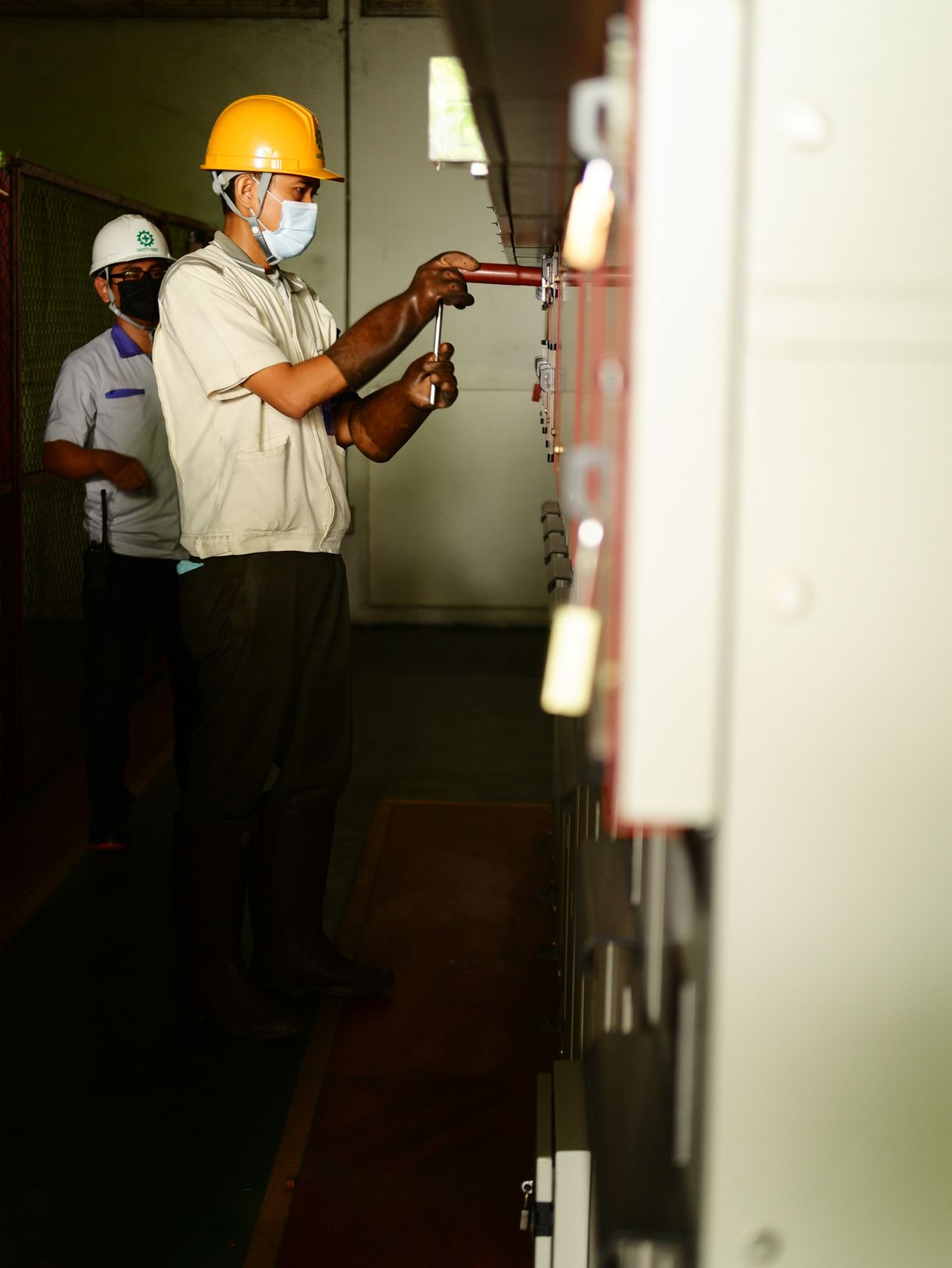
Power is the defining constraint in today’s data center market, and that reality extends all the way from utility interconnection to the skilled people installing and testing equipment inside the facility. Data centers require enormous electrical infrastructure: switchgear, transformers, UPS systems, generators, distribution equipment, controls, grounding, monitoring and miles of raceway and cable. Every system must be coordinated with mechanical construction and ultimately proven through commissioning.
CBRE’s recent market reports consistently identify power availability as the leading factor shaping data center development. Once a site has power, however, the construction team still needs electricians, electrical technicians, controls professionals, MEP coordinators and commissioning specialists capable of executing the design safely and on schedule.
Electrical staffing is more than filling electrician seats
Different project phases require different profiles. Early construction may emphasize conduit, cable tray, rough-in and equipment installation. Later phases require terminations, testing, controls integration, energization planning, troubleshooting and detailed documentation. Foremen and superintendents must sequence work around mechanical systems, vendors and safety restrictions.
Employers should therefore define the scope behind each title. Is the project looking for licensed electricians, industrial electrical technicians, low-voltage specialists, generator or UPS technicians, controls electricians, relay/testing personnel, or people with experience supporting commissioning? Clear scope produces better candidates and reduces wasted interview time.
Mission-critical experience can be transferable
The data center industry often competes for people who already have data center experience, but that pool is finite. Contractors can expand the search by identifying adjacent environments where uptime, safety and documentation are equally important. Hospitals, industrial facilities, semiconductor plants, utilities and large manufacturing sites can produce electricians and technicians who understand redundant systems, disciplined procedures and complex troubleshooting.
Recruiters should ask about system voltage, equipment types, commissioning exposure, lockout/tagout practices, energized-work expectations, controls familiarity and the scale of previous projects. Those details are often more predictive than the words in a job title.
MEP coordination is also a people problem
As data centers become denser, mechanical and electrical systems compete for physical space while construction schedules compress. Good MEP coordinators and field leaders reduce clashes, manage sequencing and help translate design intent into buildable field work. Losing an experienced coordinator mid-project can create outsized disruption because the knowledge is relational as well as technical.
Retention matters. Employers should communicate project duration, travel expectations, rotation, future backlog and advancement opportunities. Candidates are more likely to stay when they understand what the current project leads to.
The electrical workforce is part of the power strategy. A project cannot monetize electrical capacity that has not been safely installed, tested and commissioned. Starting the talent plan early—and recruiting by system knowledge rather than title alone—can help employers protect both schedule and quality.
A useful workforce plan also identifies the roles that must remain through energization and turnover, not only peak installation. Retaining key foremen, testing specialists and coordinators through the final milestones preserves project knowledge, reduces handoff errors and keeps troubleshooting ownership clear when electrical and mechanical systems begin interacting under load for the owner team.