A data center can spend years getting the cooling plant, switchgear, controls, and network rooms ready, then stumble on a much smaller problem: nobody can prove what changed, who checked it, or who owns it now. That is why turnover is not a paperwork nuisance. It is a workforce event. In the federal data-processing and hosting subsector, BLS reported average hourly earnings of $59.68 and average weekly hours of 38.2 in May 2026, which is a reminder that this is steady, technical work, not casual labor. The same BLS data also show a mix of support specialists, systems analysts, and programmers inside the industry, so the team in one building can span very different kinds of work at the same time .
When the handoff becomes the job
The clearest mistake employers make is treating construction, commissioning, and operations as if they use the same rules. They do not. OSHA’s lockout/tagout standard requires employers to establish a program and procedures that prevent unexpected energization, start-up, or release of stored energy. That matters because a data center is full of equipment that can look quiet while still carrying risk. During construction and fit-out, contractor crews are installing and testing systems under project controls; after turnover, the operating employer owns the maintenance system, the access rules, and the training record. The work shifts from building the asset to proving the asset can be worked on safely and repeatably .
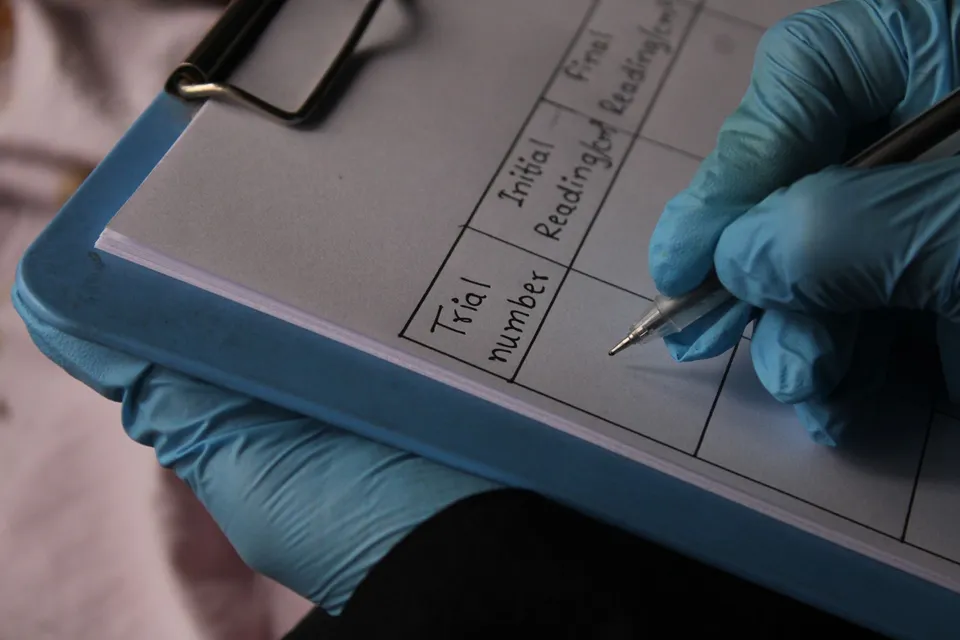
That is also why the best project teams keep a real handoff packet, not just a folder of loose files. The packet should show what was tested, what settings are acceptable, who owns the next action, and what conditions trigger escalation. O*NET task descriptions for computer network architects and industrial machinery mechanics both point in that direction: documenting activities, developing contingency plans, recording repairs, observing equipment before and after maintenance, and maintaining repair records are all normal parts of the work. In other words, a good handoff is not administrative fluff; it is part of the technical process itself .
Why facilities, controls, and IT need different paperwork
A useful handoff packet does more than say, “the site is ready.” It separates three kinds of responsibility that are often blurred in casual conversation. Facilities staff are working on plant equipment such as chillers, pumps, motors, and electrical distribution. Controls and instrumentation staff are dealing with sensors, panels, programming logic, and sequence behavior. IT staff are dealing with networks, logical services, and security. Those jobs may share a building, but they do not share authority. A technician who knows how to read a valve lineup is not automatically qualified to change a network design, and a network architect is not the person who should be asked to interpret a cooling alarm without the right context .
That distinction matters for staffing too. If a turnover document does not say which team owns the alarm, the spare, the calibration, or the change request, the next shift wastes time rediscovering the boundary. The federal source set shows why that happens: industrial engineers are used for logistics, quality control, and production coordination, while computer network architects and information security analysts work on logical systems and protection measures rather than on the physical plant. The strongest data center teams write those boundaries down so the right specialist gets the right problem the first time .
What good training teaches before anyone works alone
The paperwork habit is easier to build when training starts with the same habits. Apprenticeship.gov describes registered apprenticeship as paid work experience with a mentor, classroom instruction, and progressive wage increases. That is important in data center work because the learner is not expected to absorb everything by watching; the learner is expected to prove competence in steps, with an experienced worker checking the result. In a critical facility, that is a better model than asking a new hire to move fast and hope the site will absorb the mistake .
The published education pathways point the same way. Mesa Community College’s Data Center Operations certificate includes industrial safety, modern maintenance operations, mechanical power transmission, introduction to data center operations, DC and AC components and circuits, PLC programming, industrial motors and motor control, and power distribution systems. That course mix shows what the field really values: people who can cross power, motion, controls, and safe work practices, not just people who know the words around a server room. When applicants see that sequence, they can judge whether their background fits facilities work, controls work, or a more IT-facing path .
What employers and applicants should ask
For employers, the practical question is simple: does the handoff packet make the next shift safer and faster, or does it only prove that the first team finished? For applicants, the better question is: can I document what I found, what I changed, and what I am not authorized to touch? Those questions matter because data center employment is a chain of transitions, not a single title. A worker may begin on a build team, move through commissioning, and land in operations. Another may enter through a training program, a pre-apprenticeship, or an IT support path. In every case, the ability to hand work off cleanly is part of the job, not an extra credit skill.
If your team is planning a hire or a turnover, compare the role against the employers page. If you are job hunting and want a better fit for your skills, use the job seekers page.